
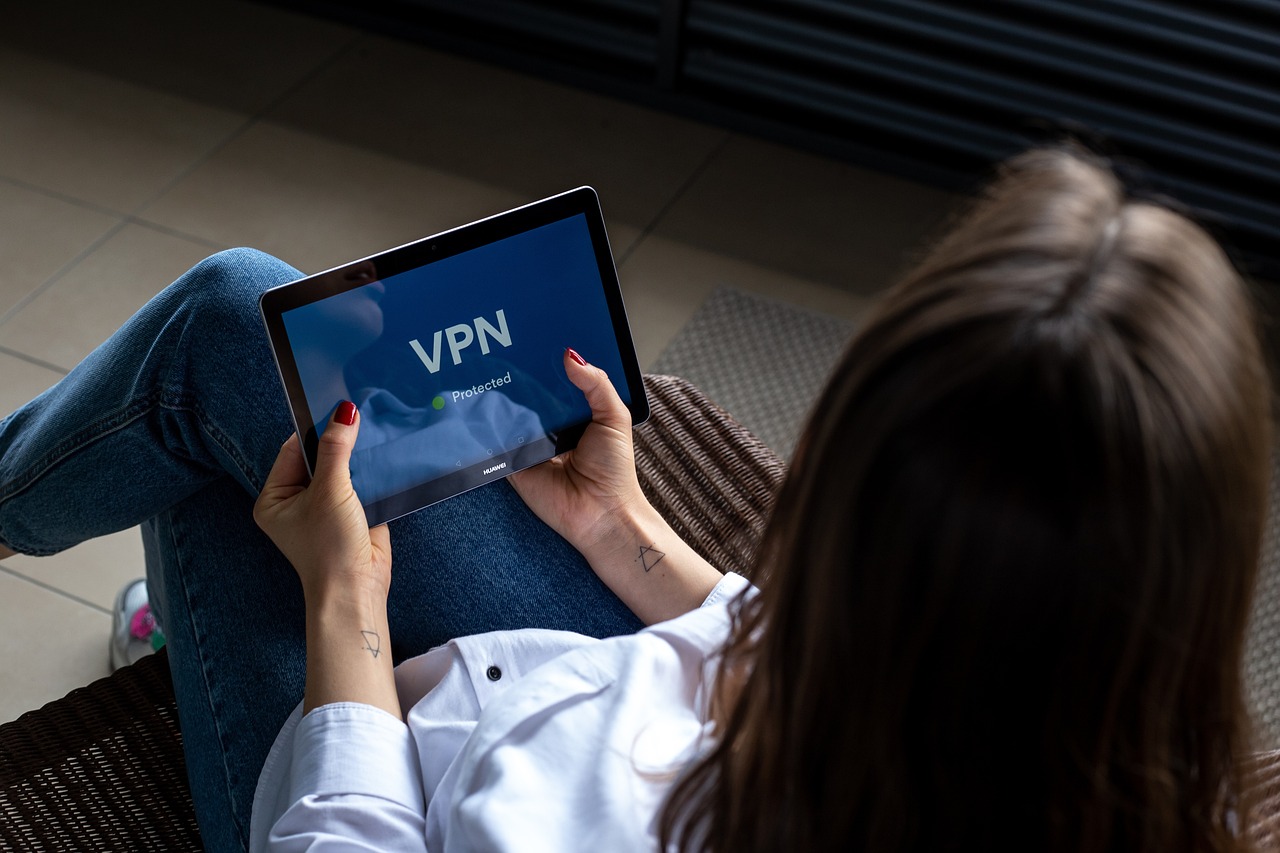
In today’s world, where online security and privacy are critical concerns, businesses and institutions need reliable tools to protect their data and communications. One of the most effective and popular solutions is using virtual private networks (VPNs). In this article, we will explore how a VPN works in a simple but technical way, step by step, and analyze its differences from a proxy as well as its importance in business environments.
What Is a VPN and How Does It Work?
A VPN is a technology that establishes a secure and encrypted connection between a device and a private network over the internet. Essentially, it acts as a virtual tunnel that protects data while it is transmitted between the device and the network to which it connects.
The process of establishing a VPN connection consists of several essential steps:
-
Authentication: The client device sends authentication credentials, such as a username and password, to the VPN server.
-
Authorization: The VPN server verifies the client’s credentials and decides whether it is allowed to access the private network.
-
Tunnel establishment: Once authenticated and authorized, a secure connection is established between the device and the VPN server using encryption protocols.
-
Data encryption: All data transmitted between the device and the private network is encrypted, ensuring confidentiality and preventing unauthorized third parties from intercepting or modifying it.
-
Routing: Data packets are sent through the VPN tunnel to their destination on the private network.
Differences Between a VPN and a Proxy
Although both a VPN and a proxy can hide the device’s IP address, there are key differences between them:
-
Encryption: A VPN encrypts all transmitted data, providing an additional layer of security. A proxy, on the other hand, only acts as an intermediary between the device and the server it connects to, without encrypting the data.
-
Privacy: A VPN protects the user’s privacy by hiding their location and masking their online identity. A proxy, on the other hand, does not provide the same level of privacy because it only hides the IP address.
-
Applications: A VPN can be configured at the operating system level, meaning all applications benefit from the secure connection. A proxy, on the other hand, is generally configured at the level of a specific application.
Importance of Using VPNs in Businesses and Institutions
Using a VPN in business and institutional environments is crucial for several reasons:
-
Data security: When using a VPN, all communications are encrypted, preventing unauthorized third parties from accessing confidential data or intercepting important information.
-
Secure remote access: VPNs allow employees to securely access company resources from remote locations. This is especially valuable today, when remote work has become common.
-
Protection against cyberattacks: VPNs help protect business and institutional networks against cyberattacks, such as data theft or unauthorized access to sensitive systems. By encrypting communications and hiding user identities, the attack surface is significantly reduced.
-
Privacy and regulatory compliance: Many businesses and institutions are subject to privacy and regulatory compliance requirements. Using a VPN helps ensure compliance with these regulations by protecting data confidentiality and maintaining user privacy.
-
Avoiding censorship and content filtering: In some countries or business environments, access to certain websites or services may be restricted. VPNs allow users to bypass these restrictions by providing a secure connection and masking the user’s location.
In Conclusion…
Virtual private networks (VPNs) are essential tools for ensuring security and privacy in business and institutional communications. Their technical operation, which establishes secure and encrypted connections, sets them apart from conventional proxies. Using a VPN provides an additional layer of protection, facilitates secure remote access, and helps meet privacy and regulatory compliance requirements. In an environment where online security is paramount, VPNs have become an indispensable ally for businesses and institutions seeking to protect their data and safeguard confidential information.